Concrete materials & data-driven methods

Research

My work combines experimental studies of concrete healing with computational approaches to durability and sustainable mix design.

Ongoing M.Sc. project

Master’s thesis

Effect of silica nanoparticles on self-healing concrete incorporating lightweight expanded clay aggregates saturated with sodium silicate

Supervisors: Dr. Sadegh Dardaei, Tarbiat Modares University, and Dr. Fariborz M. Tehrani, California State University, Fresno.

My thesis investigates whether silica nanoparticles improve crack healing in concrete containing slag and lightweight expanded clay aggregates saturated with sodium silicate. The aggregates carry the healing agent, while the study examines its interaction with nanosilica and the potential formation of additional calcium silicate hydrate (C–S–H). The experimental programme compares mixes with different nanosilica contents, induces cracks and evaluates healing and mechanical performance. This is an ongoing M.Sc. project; degree completion is expected in May 2027.

Laboratory photographs

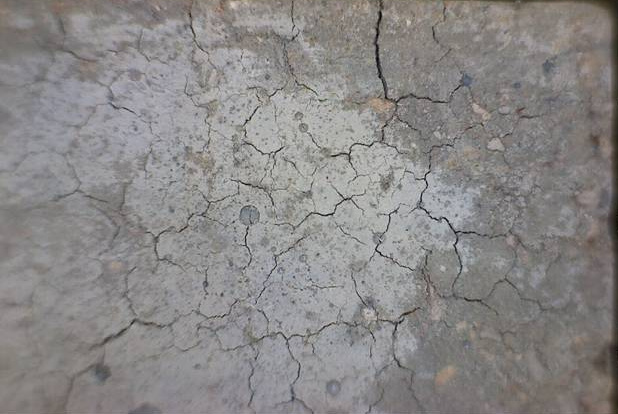
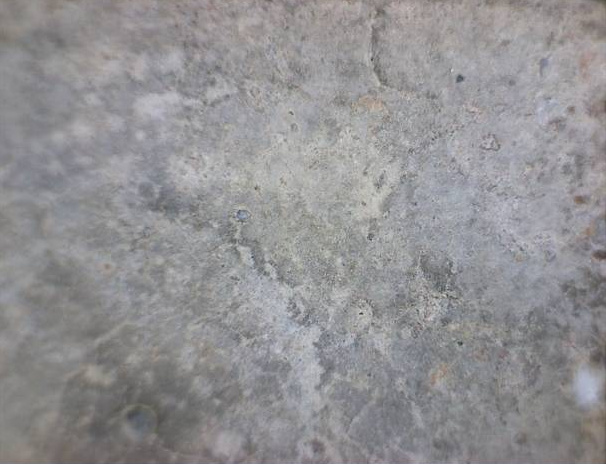
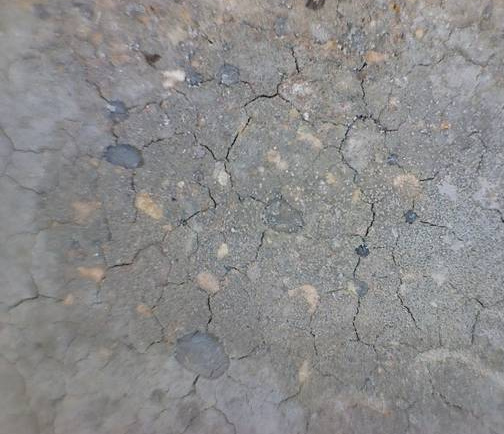
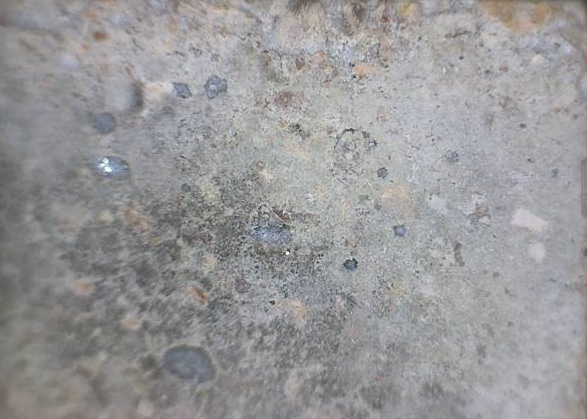
Two pairs of concrete surface photographs taken before healing and after a 28-day healing period. Each pair is shown in its original left-to-right order. Frames use a consistent 4:3 display crop; crack patterns and surface details have not been retouched.

Specimen pair 1

Pair 1: concrete before healing
Pair 1: concrete after 28 days of healing
BeforeAfter · 28 days
Before healing / after 28 days

Specimen pair 2

Pair 2: concrete before healing
Pair 2: concrete after 28 days of healing
BeforeAfter · 28 days
Before healing / after 28 days

The photographs were taken before and after 28 days of healing. Framing is not registered; this comparison is illustrative and does not measure crack closure.

Inside my master’s thesis

PVA-coated LECA as a sodium silicate carrier

Lightweight expanded clay aggregate (LECA) serves as a porous reservoir for the sodium-silicate-based healing agent. After impregnation, a polyvinyl alcohol (PVA) coating is applied to the particle surface to help limit premature leakage during concrete mixing and placement.

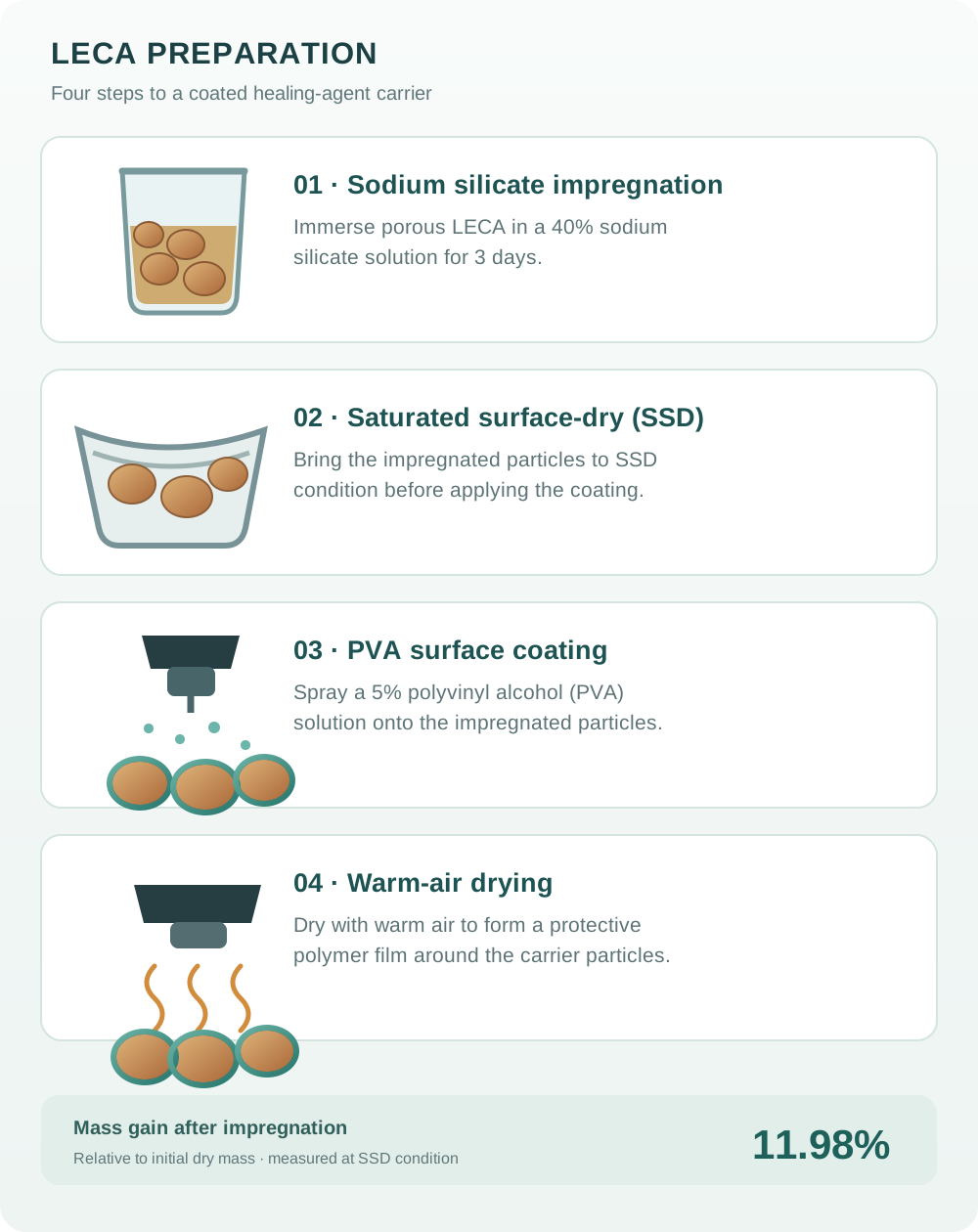
For preparation, LECA particles were immersed in a 40% sodium silicate solution for 3 days and brought to a saturated surface-dry (SSD) condition. A 5% PVA solution was then sprayed onto the impregnated particles, followed by warm-air drying to form a protective polymer coating. The mass gain after impregnation was approximately 11.98% relative to the initial dry mass, measured at SSD condition.

Four-step LECA preparation workflow: immersion in 40% sodium silicate for three days, saturated surface-dry conditioning, spraying with 5% PVA solution, and warm-air drying. The measured mass gain after impregnation was 11.98%.
Preparation sequence for sodium-silicate impregnation and PVA surface coating. Schematic illustration; not to scale.
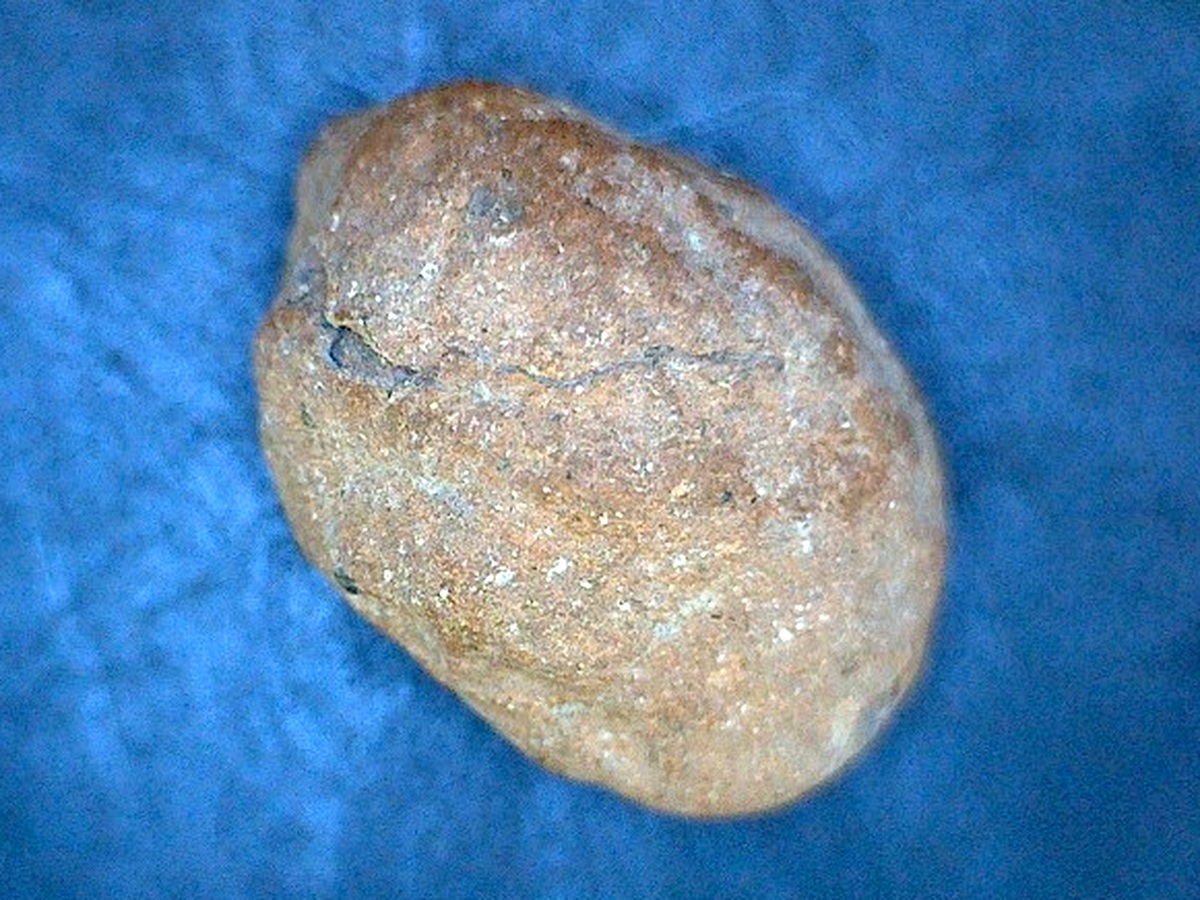
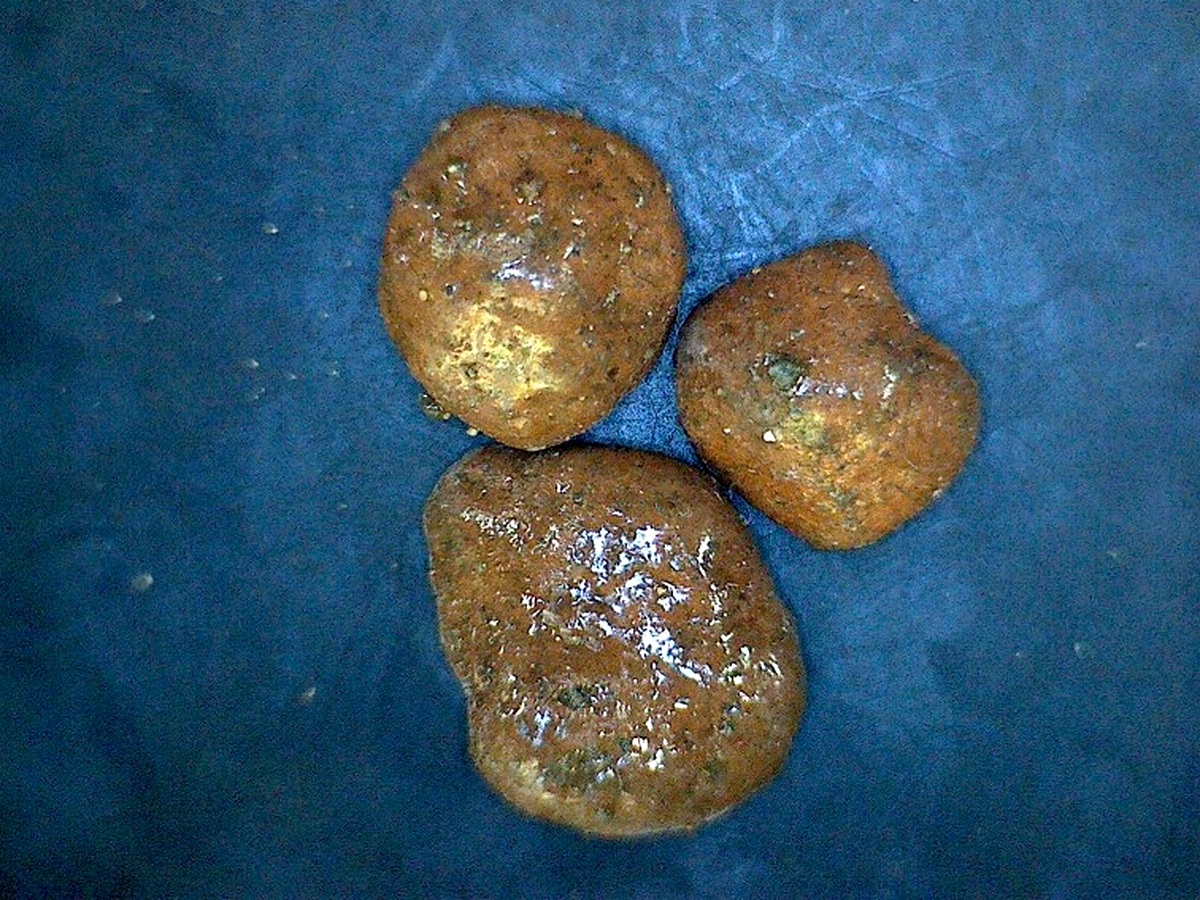
Single dry lightweight expanded clay aggregate particle
(a)Dry LECASingle particle
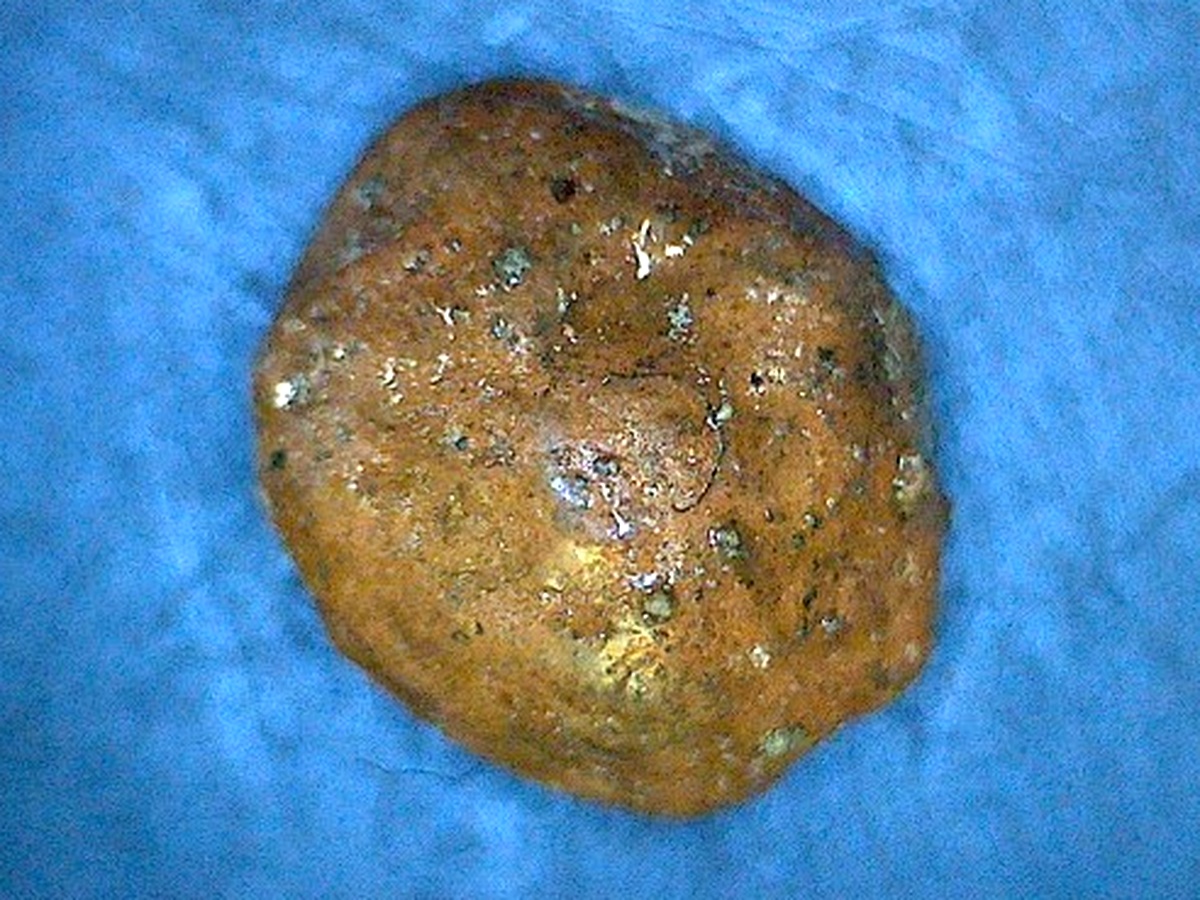
Single LECA particle after sodium silicate impregnation and PVA coating
(b)Sodium-silicate-impregnated and PVA-coated LECASingle particle
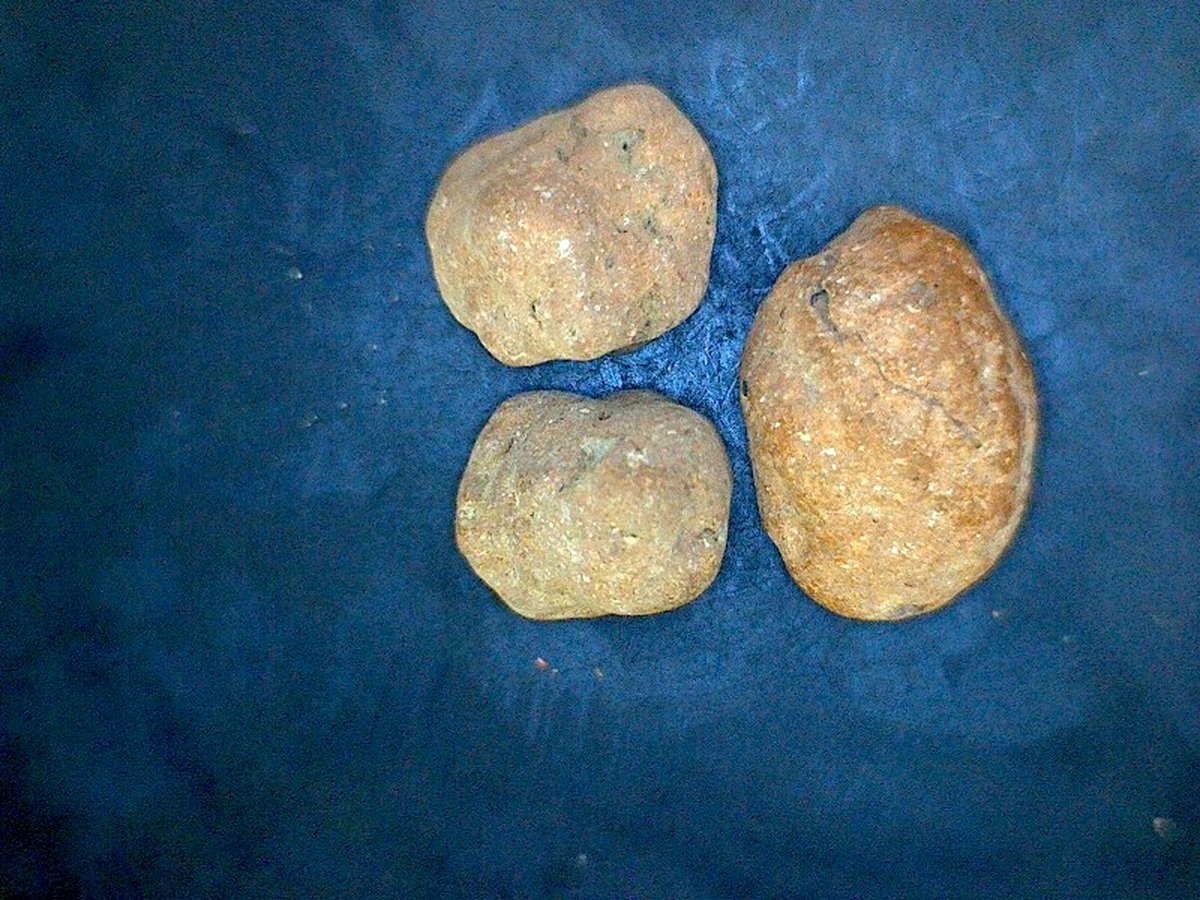
Group of dry lightweight expanded clay aggregate particles
(c)Dry LECAMultiple particles
Group of LECA particles after sodium silicate impregnation and PVA coating
(d)Sodium-silicate-impregnated and PVA-coated LECAMultiple particles

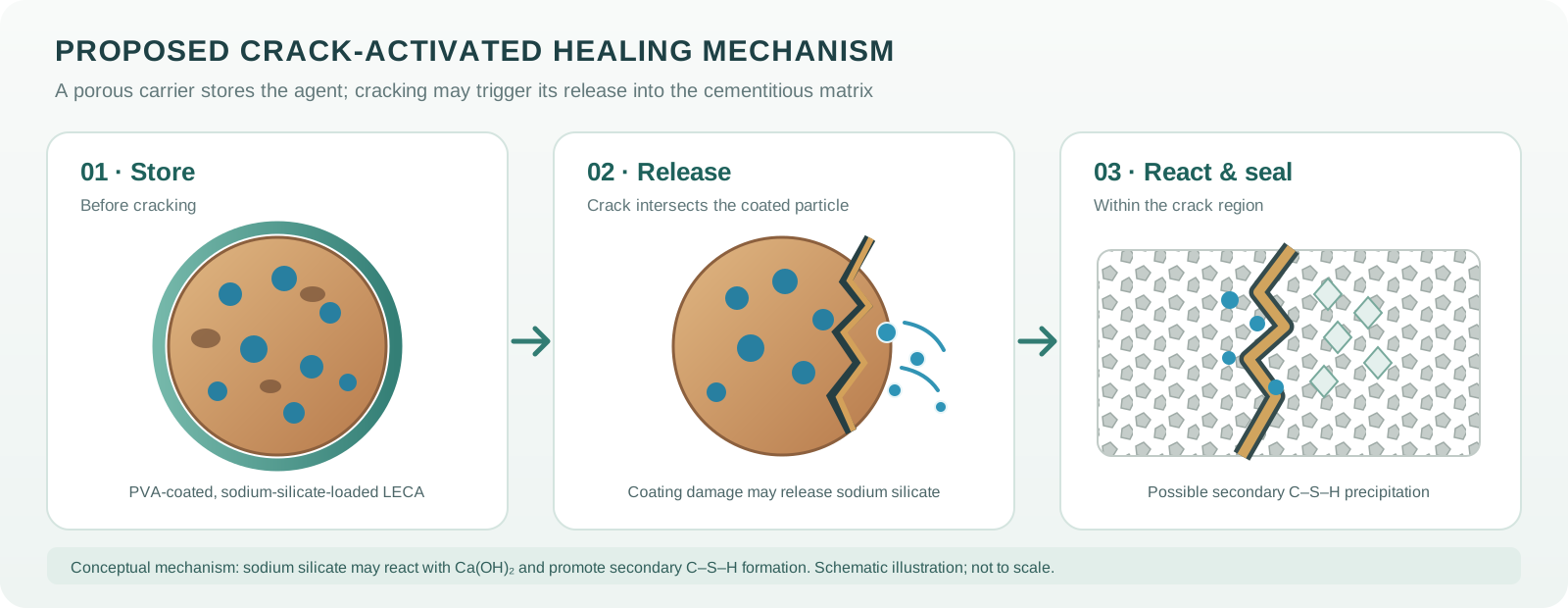
When a crack intersects a coated particle, damage to the PVA film is expected to release the stored sodium silicate into the surrounding cementitious matrix. The released silicate can react with calcium hydroxide (Ca(OH)₂), promoting secondary C–S–H formation within the crack and potentially contributing to crack sealing.

Proposed mechanism: sodium silicate stored in porous LECA behind a PVA coating; crack-induced rupture of the coating releases sodium silicate; the released agent reacts with calcium hydroxide and promotes secondary C-S-H formation.
Proposed crack-activated release: coating damage may release sodium silicate, which can react with Ca(OH)₂ and promote secondary C–S–H formation. Schematic illustration; not to scale.

Publications

Conference work is listed separately from manuscripts in preparation and submitted book contributions.

Conference contribution

Machine Learning for Low-Carbon Concrete

Alireza Shirazi, Ali A. Shakeri, Nikta Hasaninasab, Sadegh Dardaei, Fariborz M. Tehrani

Transportation Research Board Annual Meeting · TRB 2026

Abstract

This research proposes a data-driven machine learning approach aimed at optimizing the cement content in concrete used for transportation infrastructure, such as roads, bridges, and retaining walls. The production of cement is a significant contributor to CO₂ emissions and increasing costs in construction projects. By reducing cement content using optimized multi-component mixtures, this method tackles both ecological and performance requirements of transportation structures. A comprehensive dataset of concrete mix designs, which includes supplementary cementitious materials (SCMs) and nanomaterials, was compiled to support the decision-making process. A hybrid machine learning model that combines Artificial Neural Networks (ANN), Genetic Algorithms (GA), and XGBoost was developed to predict compressive strength and determine the best mix combinations for high-load applications, like pavements and bridge decks. To better handle incomplete and diverse data, a binary-feature masking normalization technique was introduced, which improves model accuracy and reliability. The proposed framework effectively identifies concrete mixes that significantly decrease cement usage while maintaining structural strength. The use of SCMs such as fly ash, silica fume, and metakaolin, along with nanomaterials like carbon nanotubes and nanoclay, showed synergistic benefits in enhancing strength and durability, critical factors for enduring transportation infrastructure. This study underscores the promise of AI-driven material design in advancing low-carbon, high performance concrete solutions for roads and bridges, supporting global sustainability objectives and enhancing infrastructure resilience.

Conference contribution

Towards Green Concrete: A Data-Driven Machine Learning for Reducing Cement Content

Alireza Shirazi, Ali A. Shakeri, Nikta Hasaninasab, Sadegh Dardaei, Fariborz M. Tehrani

14th International Congress on Civil Engineering · 21–23 October 2025, Sharif University of Technology, Tehran

Conference paper record ↗ · Conference website ↗
Abstract

This paper introduces an innovative data-driven approach to designing green concrete by minimizing cement content through the optimization of multi-component blends. A comprehensive dataset of 2,332 experimental concrete mix designs incorporating supplementary cementitious materials (SCMs) and nanomaterials was compiled from 31 scientific publications. A hybrid machine learning model combining Artificial Neural Networks (ANN), Genetic Algorithms (GA), and XGBoost was developed to predict compressive strength and identify optimal mix compositions. To address the challenge of incomplete data, a binary-feature masking normalization strategy was implemented, allowing the model to process heterogeneous datasets with improved accuracy and robustness. The proposed framework successfully identifies sustainable concrete mixes that reduce cement consumption by up to 40% without compromising mechanical performance. Hybrid combinations of SCMs such as fly ash, silica fume, and metakaolin, alongside nanomaterials like carbon nanotubes and nanoclay, demonstrated synergistic effects in enhancing strength while lowering environmental impact. The results confirm that intelligent integration of AI techniques with material science can significantly advance the development of high-performance, low-carbon concrete, offering a scalable solution for the construction industry's sustainability goals.

Conference contribution

Advanced Machine Learning Modeling of Chloride Ion Penetration and Service Life Prediction in Internally Cured Concrete

Ali A. Shakeri, Nikta Hasaninasab, Alireza Shirazi, Fariborz M. Tehrani, Sadegh Dardaei

ACI 2025

My contribution: Writing and support with data collection.

ACI Spring 2025 programme (PDF) ↗

Work in progress

Current manuscripts include one submitted review and four studies in preparation. The status of each manuscript is indicated below.

Self-Healing Concrete: A Review of Healing Mechanisms, Durability, Performance, and Implementation Challenges

Alireza Shirazi, Ali A. Shakeri, Sadegh Dardaei

Submitted to Journal of Civil Engineering and Materials Application

Abstract

Cracks in concrete provide pathways for water and aggressive substances, accelerating deterioration and compromising long-term durability. Self-healing concrete (SHC) has therefore attracted considerable research interest as a material system that can autonomously reduce crack damage and potentially extend structural service life. This review systematically surveys the principal self-healing mechanisms and evaluates their potential for practical application. This review examines autogenous healing mechanisms based on continued cement hydration and calcium carbonate precipitation alongside enhanced systems incorporating mineral and crystalline admixtures, fibers, superabsorbent polymers, and lightweight aggregates. The review also covers autonomous approaches, including microcapsules, vascular networks, bacteria-based systems, electrochemical healing, and shape-memory alloys. It pays particular attention to the relationship between crack-healing capability and durability, as well as the recovery of mechanical and transport-related properties. In addition, the review discusses the practical viability of different strategies in terms of cost, long-term durability, construction compatibility, and potential for repeated use. The review identifies major barriers to large-scale implementation, including environmental variability, limited long-term validation, inconsistent evaluation methods, and the lack of standardized design guidelines. The review then outlines future research priorities involving hybrid systems, life-cycle assessment, standardized testing, and machine-learning-assisted design.

In preparationThe Synergic Effects of Slag and Saturated Lightweight Expanded Clay Aggregate with Sodium Silicate on Self-healing Behavior of Concrete Thermal Cracks

Alireza Shirazi, Ali A. Shakeri, Ali Kadkhodaei, Sadegh Dardaei, Fariborz M. Tehrani

Investigates the combined use of slag and sodium silicate carried in saturated lightweight expanded clay aggregates for healing thermal cracks in concrete.

In preparationIs implementing smart systems always appropriate? An assessment of the smart system's impact on energy consumption optimization across different climates and conditions

Ali A. Shakeri, Alireza Shirazi, Ali Kadkhodaei, Sadegh Dardaei, Fariborz M. Tehrani

Assesses how climate and operating conditions affect the potential of smart building systems to reduce energy consumption.

In preparationFeasibility Study on Reducing Cement Consumption by Enhancing Concrete Recyclability through the Use of Lightweight Aggregates and Sodium Silicate

Alireza Shirazi, Ali A. Shakeri, Ali Kadkhodaei, Sadegh Dardaei, Fariborz M. Tehrani

Examines whether lightweight aggregates and sodium silicate can support concrete recyclability and reduce cement demand. Laboratory testing is in progress.

In preparationA Self-Learning and Adaptive Model for Deep Learning-Based Structural Health Monitoring Systems in Concrete Structures

Ali Kadkhodaei, A. Shakeri, Alireza Shirazi, Sadegh Dardaei, Fariborz M. Tehrani

Develops a self-learning, adaptive approach to deep learning-based structural health monitoring of concrete structures.

Book contributions

Submitted · Book chapter

Foundations of Uncertainty in Concrete Durability: From Determinism to Probabilistic Thinking

Ali A. Shakeri, Ali Reza Shirazi, Nikta Hasaninasab, Sadegh Dardaei, Fariborz M. Tehrani

My contribution: Writing and support with model development.

Submitted · Book manuscript

Uncertainty-Aware Conceptual Modeling of Concrete Durability

Ali A. Shakeri, Ali Reza Shirazi, Nikta Hasaninasab, Sadegh Dardaei, Fariborz M. Tehrani

My contribution: Writing and support with model development.